 By admin
Running a business involves much more than delivering products or services to customers. Behind every successful operation is a network of systems, people, equipment, processes, and decisions that must work together each day. When those components are properly managed, employees can stay productive, customers can receive consistent service, and business owners can focus on growth rather than constantly responding to preventable problems.
Keeping a business running smoothly requires preparation as much as it requires problem-solving. Regular maintenance, organized facilities, dependable technology, efficient communication, and thoughtful planning can all contribute to a more reliable operation. Even seemingly minor issues can become significant disruptions when they are ignored for too long.
Whether a business operates from an office, warehouse, restaurant, retail location, manufacturing facility, or another commercial property, taking a proactive approach can help create a stronger foundation for everyday operations.

Maintain the Building From the Ground Up
A commercial building is one of the most important assets supporting daily business activities. Employees and customers depend on the building to remain safe, comfortable, and functional, which makes regular maintenance an important part of business planning.
Exterior maintenance should not be overlooked. Business owners and property managers can periodically inspect roofs, siding, windows, doors, drainage systems, and other components for signs of damage or deterioration. Small problems may be easier and less expensive to address before they develop into larger repairs.
When professional roofing work is necessary, businesses may need to contact roofing companies for inspections, repairs, or replacement services.
The interior deserves the same attention. Floors, ceilings, lighting, walls, plumbing fixtures, and electrical systems can all affect the workplace environment. Establishing a maintenance schedule can make it easier to identify recurring issues and determine which repairs should receive immediate attention.
A clean and functional facility also creates a more professional environment. Employees can perform their jobs more comfortably, while customers may have a more positive experience when visiting the property.
Keep Heating and Cooling Systems Reliable
Temperature control is another important part of commercial operations. Employees may struggle to remain comfortable when an office becomes too hot or cold, while certain businesses rely on specific temperatures to protect equipment, inventory, or products.
Routine inspections and maintenance can help businesses identify potential problems before equipment stops working entirely. Filters, electrical connections, moving components, thermostats, and other parts may require periodic attention depending on the system.
A business may establish a relationship with an HVAC contractor who understands the property’s equipment and maintenance needs.
Even with regular maintenance, mechanical failures can happen. When a commercial system experiences a serious problem during business hours, prompt commercial HVAC repair may be necessary to restore comfortable conditions and reduce operational interruptions.
Businesses should also know where critical equipment is located and understand basic warning signs. Unusual noises, inconsistent temperatures, poor airflow, unexplained increases in energy use, or frequent cycling can all warrant professional attention.

Protect the Property From Pests
Pest problems can create significant challenges for commercial properties. Depending on the type of business, pests can affect inventory, food, equipment, building materials, and customer perceptions.
Prevention should begin with good housekeeping. Food waste should be handled appropriately, spills should be cleaned promptly, and areas where moisture accumulates should be monitored. Doors and windows should be maintained so they close properly, while cracks and openings around the building may need to be addressed.
Regular inspections can also help identify signs of activity before an infestation becomes extensive.
When termites are suspected, a professional termite exterminator can evaluate the property and determine whether treatment is necessary. This is particularly important because termite damage may not always be immediately visible.
Businesses can also benefit from having procedures for reporting pest concerns. Employees should know whom to contact when they notice droppings, damaged materials, unusual odors, insects, or other warning signs. Early reporting can help prevent a localized problem from becoming a larger operational concern.
Keep Plumbing Systems Working
Plumbing is easy to take for granted until a leak, clogged drain, broken fixture, or other problem interrupts normal operations. In some businesses, plumbing problems can affect employees, customers, production processes, or inventory.
Routine inspections can help identify leaking faucets, damaged pipes, low water pressure, slow drains, and other developing issues. Restrooms should also be checked regularly to ensure fixtures remain functional and sanitary.
Businesses should have a plan for handling emergencies. Employees should know where shutoff valves are located and whom to contact if a significant leak occurs.
When professional assistance is needed, a commercial plumbing repair service can address problems involving pipes, fixtures, drains, water lines, and other commercial plumbing components.
Preventive maintenance is especially important for businesses that rely heavily on water. Restaurants, hotels, healthcare facilities, manufacturing operations, and other water-intensive businesses may face substantial disruptions when plumbing systems fail.
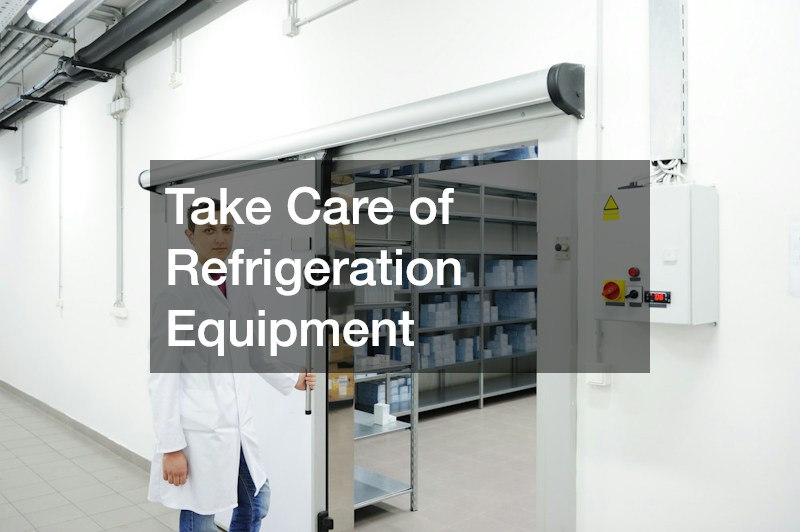
Take Care of Refrigeration Equipment
Some businesses cannot operate effectively without dependable refrigeration. Restaurants, grocery stores, food manufacturers, convenience stores, and other companies may depend on refrigerators, freezers, coolers, and related equipment to protect inventory.
Temperature fluctuations can potentially damage products and contribute to unnecessary waste. For that reason, employees should know how to monitor equipment and identify signs of trouble.
Regular maintenance can include cleaning appropriate components, checking seals, inspecting temperature controls, and following manufacturer recommendations.
When a system stops maintaining the required temperature, businesses may need commercial refrigeration repair services to diagnose the problem and restore proper operation.
Companies should also have contingency plans for equipment failures. Depending on the business, that could include knowing where temporary storage is available, establishing emergency service contacts, or determining procedures for handling inventory when refrigeration becomes unavailable.
Plan Around Construction and Property Changes
Businesses sometimes need to renovate, expand, relocate, or remove outdated structures. Construction-related work can create temporary disruptions, but careful planning can help minimize their effect on daily operations.
Before major work begins, business owners should consider employee access, customer access, deliveries, parking, safety, equipment placement, and communication.
If an existing structure or portion of a facility needs to be removed, commercial demolition companies may be involved in preparing the site for its next phase.
Businesses should also consider how construction schedules interact with normal operating hours. Some work may be completed after hours or during periods when customer traffic is lower.
Clear communication is essential. Employees should know which areas are accessible, where temporary entrances are located, and whether normal procedures have changed.
A well-planned construction project can ultimately create a more functional workplace, but the transition requires careful coordination.
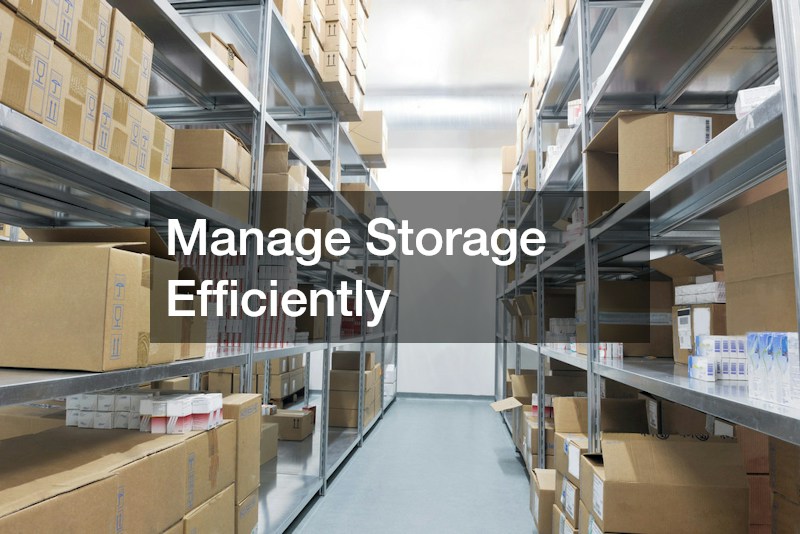
Manage Storage Efficiently
Inventory and equipment require space, and inefficient storage can quickly become an operational problem. Employees may spend unnecessary time searching for supplies, while overcrowded storage areas can create safety concerns and make inventory management more difficult.
Businesses should periodically review what they actually need to keep on-site. Frequently used materials should be easy to access, while seasonal or less frequently used items can be stored elsewhere when appropriate.
For companies that need additional space, affordable shipping containers can provide a flexible storage option for certain applications.
Labeling shelves, containers, and storage areas can also improve efficiency. Employees should know where commonly used supplies belong and where items should be returned after use.
Good storage practices can reduce wasted time while helping businesses maintain a more orderly workplace.
Invest in Equipment Maintenance
Business equipment represents an investment, and maintaining that equipment can help protect its useful life. The specific maintenance requirements will depend on the type of operation.
Manufacturing companies may need to maintain production machinery, while restaurants may focus on cooking equipment, refrigeration, and food-preparation systems. Offices may have printers, computers, security systems, and other technology that requires regular attention.
Businesses should maintain records of inspections, repairs, warranties, and replacement dates. These records can help identify patterns and make future budgeting easier.
When equipment begins requiring increasingly frequent repairs, management may need to consider whether continued maintenance makes sense or whether replacement would be more practical.
The goal is not to eliminate every unexpected breakdown. Instead, it is to reduce preventable failures and make equipment-related decisions more predictable.
Pay Attention to Business Technology
Physical infrastructure is only one part of modern business operations. Technology plays a central role in communication, sales, customer service, accounting, scheduling, inventory management, and marketing.
Businesses should make sure employees have access to the tools they need and understand how to use them effectively. Software should be updated as appropriate, passwords should be managed securely, and important information should be backed up.
Companies should also have procedures for responding to technology disruptions. If an internet connection fails or a critical software system becomes unavailable, employees should know what alternatives are available.
Digital visibility matters as well. Businesses that rely on customers finding them online may work with local SEO companies to improve their presence in local search results and help prospective customers discover their products or services.
Technology should ultimately make business processes easier rather than create unnecessary complications. Regularly reviewing digital tools can help determine whether they continue to serve the company’s needs.
Maintain Commercial Finishes and Equipment
The appearance and durability of business equipment can matter for both practical and customer-facing reasons. Manufacturing, automotive, construction, industrial, and other businesses may rely on specialized finishes to protect metal components or improve their appearance.
Depending on the application, commercial powder coating services can provide a durable finish for certain metal surfaces and equipment.
Businesses should consider how frequently equipment is used, what environmental conditions it encounters, and what maintenance is required to keep it functioning properly.
Protecting equipment from unnecessary wear can help businesses get more value from their investments. It can also contribute to a more organized and professional-looking facility.
Create Clear Workplace Procedures
Even the best equipment and facilities cannot compensate for confusing processes. Employees need to understand who is responsible for specific tasks and what steps should be followed when something goes wrong.
Written procedures can be especially helpful for recurring activities. Opening and closing procedures, equipment inspections, inventory checks, cleaning responsibilities, emergency response, and customer service processes can all benefit from clear documentation.
Training should accompany those procedures. Employees should have opportunities to ask questions and learn how processes work before they are expected to handle them independently.
Businesses should also revisit procedures as circumstances change. A process that worked when a company had five employees may not be appropriate after it grows to fifty.
Clear responsibilities can reduce confusion and help employees respond more consistently.
Prepare for Unexpected Problems
No business can predict every problem, but companies can prepare for many categories of disruption. Emergency planning can include power outages, severe weather, equipment failures, plumbing emergencies, technology interruptions, and building damage.
A business continuity plan should identify critical operations and determine how they can continue if normal conditions are disrupted.
Important contact information should be easy to access. This might include building management, maintenance providers, utility companies, equipment technicians, technology support, insurance representatives, and emergency services.
Businesses should also consider how they will communicate with employees and customers during an interruption. Clear communication can reduce confusion and help people understand what to expect.
Preparedness does not eliminate uncertainty. It gives businesses a structured way to respond when unexpected circumstances occur.
Review Expenses and Maintenance Regularly
Smooth operations require financial planning as well as physical maintenance. Businesses should understand how much they are spending on repairs, utilities, equipment, supplies, contractors, and other operating costs.
Tracking maintenance expenses can reveal patterns. If the same piece of equipment requires repeated repairs, for example, the business may want to evaluate its long-term replacement options.
Budgeting for routine maintenance can also be helpful. Setting aside funds for expected repairs can make an unexpected expense less disruptive to the overall business.
Cost should not be the only consideration when evaluating maintenance decisions. Reliability, safety, employee productivity, customer experience, and potential downtime can all affect the true impact of a repair or replacement.
Build a Culture of Prevention
Keeping a business running smoothly ultimately depends on people paying attention to potential problems before they become major disruptions. Employees at every level can contribute to that effort.
Someone working in a warehouse may notice damaged equipment before management does. A receptionist may be the first person to hear a strange noise from an HVAC system. A manager may notice that a particular process consistently creates delays.
Businesses can encourage employees to report concerns rather than assuming someone else will handle them.
Regular meetings, maintenance checklists, inspection schedules, and clear reporting procedures can help create a culture in which prevention becomes part of normal operations.
The strongest systems are often the ones that employees use consistently rather than occasionally.
Create a More Reliable Business Operation
A smoothly running business is supported by countless details that customers may never notice. Reliable heating and cooling, functional plumbing, organized storage, maintained equipment, clean facilities, secure technology, and clear procedures all contribute to the daily experience.
Business owners do not have to solve every issue at once. Instead, they can evaluate their operations one area at a time and identify where preventive maintenance, better organization, or clearer procedures could make the greatest difference.
When businesses invest in their facilities, equipment, employees, and processes, they create a stronger foundation for everyday work. Planning ahead can reduce avoidable disruptions, improve efficiency, and help everyone focus more consistently on serving customers and accomplishing business goals.
Ultimately, smooth operations come from treating maintenance and preparation as ongoing parts of running a business rather than tasks that only matter when something breaks.