 By admin
Modern service-based enterprises are experiencing strong demand across residential, commercial, and municipal sectors. Operating a profitable trade operation today requires bridging technical skill with modern business systems, compliance, and proactive financial management. The transition from a hands-on contractor to a market leader hinges on implementing robust administrative frameworks, building resilient supply chains, and executing strategic growth initiatives that protect margins while scaling capacity.
Across the country, essential field services represent one of the most reliable vehicles for sustainable wealth generation. However, operational complexity has increased. Labor markets remain tight, equipment costs fluctuate, and customer expectations around speed and communication are high. Forward-thinking operators must treat every trade discipline as a sophisticated logistical machine requiring constant optimization, capital discipline, and defensive legal protections.
Land Clearing, Foundation Preparation, and Fleet Logistics

Commercial developments, housing subdivisions, and municipal infrastructure projects all begin at ground level. The heavy civil and site preparation sector remains an anchor of the construction economy, requiring operational control over heavy iron assets, precision scheduling, and tight coordination with general contractors and engineering bodies.
Starting or expanding an excavating business requires a clear understanding of capital deployment. Earth-moving equipment represents a massive capital expenditure, meaning that unassigned excavators sitting idle rapidly erode cash reserves. High-performing operators use tracking systems to monitor machine hours, idle time, and fuel burn rates in real time. Rather than competing solely on low-bid residential jobs, top firms position themselves for multi-phase commercial subcontracts with general contractors who value reliability, site safety, and precise grade tolerance.
To build a resilient footprint in site preparation, prioritize these operational steps:
- Implement preventative maintenance schedules tied to telematics data, reducing unexpected field breakdowns during time-sensitive clearing operations.
- Standardize job costing models to track dirt-moving volume per hour against operator labor rates and diesel fuel surcharges.
- Diversify service offerings to include utility trenching, retention pond construction, and site demolition to stabilize revenue during market shifts.
Underground Utility Management and Subterranean Drilling
Subterranean infrastructure represents a high-barrier-to-entry sector where specialized knowledge and heavy equipment create significant competitive moats. As suburban developments expand and urban areas replace aging water and utility infrastructure, demand for specialized drilling and deep-well installation continues to climb.
Launching or scaling a well driller company demands technical proficiency, geological comprehension, and navigating groundwater protection standards. Success relies on matching the drilling method to local hydrogeological conditions. Beyond initial installation, elite firms structure operations around long-term service contracts. By offering ongoing water quality testing, pump maintenance, and system retrofits, these businesses convert one-off installations into predictable, high-margin recurring revenue.
Key operational milestones for subterranean utility operators include:
- Standardizing comprehensive site survey protocols to identify underground utility hazards and rock strata variation prior to mobilization.
- Training field crews on advanced rig operations, environmental containment, and well head sanitation protocols to minimize regulatory risk.
- Developing tiered customer service packages for residential, agricultural, and industrial clients to maximize lifetime account values.
Architectural Stone, Brick Restoration, and Hardscaping
Structural masonry and custom stonework combine aesthetic value with durable functionality. From high-end residential outdoor spaces to historical brick restoration and commercial retaining walls, specialty masonry commands premium margins when backed by proper project management and quality control systems.
Running a successful masonry business requires balancing material logistics with specialized labor management. Raw materials carry significant freight costs and require specialized storage and handling on the job site. Effective leaders implement tight inventory protocols, ensuring materials arrive in exact phases to prevent site clutter and damage. Because skilled masons are in high demand, winning companies establish apprenticeship programs, safety training, and productivity incentives to retain talent.
To drive growth in structural masonry, focus on these tactical initiatives:
- Build strong referral networks with commercial architects, historical preservation societies, and luxury home builders who prioritize exceptional craftsmanship.
- Adopt digital estimating tools that accurately factor in waste margins, scaffolding setup time, and mortar mixing labor.
- Expand into secondary revenue lines such as sealants, tuckpointing, and stone restoration to generate maintenance work during slow periods.
Custom Exterior Signage and Structural Brand Displays
Physical brand identity is critical for local businesses, corporate campuses, retail plazas, and municipal developments. Exterior signage serves as a primary marketing channel, making custom design, structural fabrication, and safe installation an indispensable local service.
Partnering with local sign companies provides commercial property owners with the technical capability required to navigate municipal sign codes, structural engineering standards, and electrical safety certifications. For sign company operators, profitability is driven by maintaining a balanced product mix—combining custom, high-margin architectural sign projects with high-volume items like illuminated channel letters, monument signs, and vehicle fleet graphics. Operating in this space requires integrating graphic design with heavy fabrication, welding, and bucket-truck installation.
Consider these strategic steps to scale a signage operation:
- Establish dedicated permit-processing workflows to fast-track municipal approvals and avoid project delays.
- Invest in automated fabrication machinery, such as CNC routers and large-format digital printers, to increase production throughput.
- Offer commercial clients comprehensive brand maintenance retainers covering LED retrofits, face replacements, and structural cleaning.
HVAC Systems and Climate Control Engineering
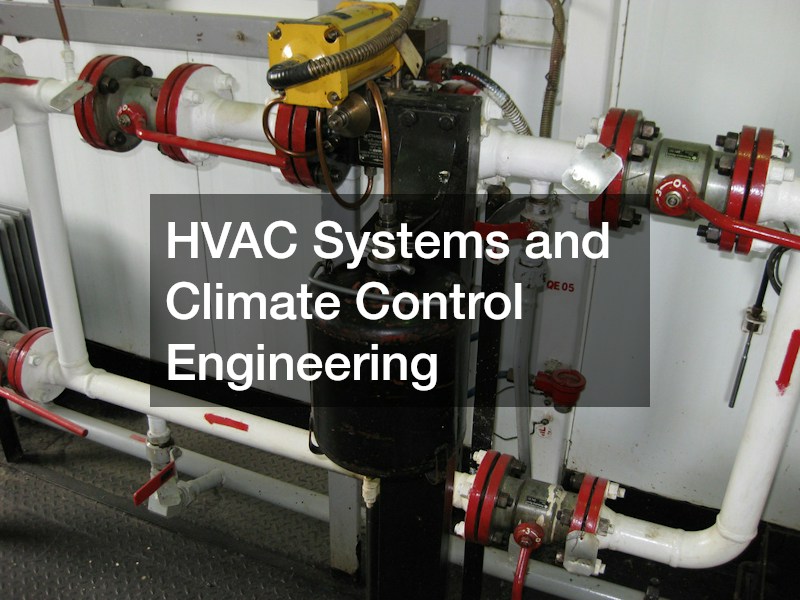
Modern climate control systems have evolved from simple mechanical appliances into complex, digitally controlled ecosystems. Driven by rising energy costs, regulatory shifts around refrigerants, and consumer interest in indoor air quality, the mechanical service sector represents a stable, high-growth industry.
Managing a specialized furnace installation company requires operational organization, agile inventory management, and a disciplined sales flow. Peak seasonal demand creates immense pressure on field technicians and office dispatchers alike. To maximize profitability, market leaders utilize dynamic scheduling software, maintain strategic safety stock of high-turnover units and replacement parts, and train field crews in systematic replacement procedures. Top operators convert installation jobs into long-term customer relationships by rolling every project into a recurring preventive maintenance agreement.
To optimize mechanical installation operations, prioritize the following practices:
- Build a structured service agreement program that auto-bills annual maintenance memberships, locking in customer loyalty and recurring cash flow.
- Provide field technicians with digital sales enablement tools that allow them to present equipment packages directly to homeowners at the point of service.
- Implement rigorous inventory tracking protocols on fleet vehicles to eliminate lost tools and unnecessary trips to supply houses.
Specialized Wildlife Management and Pest Control
As residential and commercial developments encroach on natural ecosystems, human-wildlife conflicts occur with increasing frequency. Specialized animal control, exclusion, and repair services offer an extraordinary business opportunity characterized by high urgency and exceptional gross margins.
Operating a wildlife removal company demands understanding animal behavior, specialized trapping licenses, and strict adherence to humane handling regulations. Unlike traditional pest control companies that rely primarily on chemical applications, successful wildlife management firms generate the majority of their revenue through structural exclusion and restoration work. Once an animal is humanely relocated, technicians inspect the structure, seal potential entry points, clean and sanitize contaminated spaces, and replace damaged insulation, transforming a minor service call into a high-value project.
Key strategies for scaling a specialized wildlife enterprise include:
- Training technicians to perform full structural inspections, using video documentation to demonstrate entry points and damage to property owners.
- Developing high-margin attic restoration packages, including biohazard cleanup, sanitization, and blown-in insulation replacement.
- Structuring multi-year structural exclusion warranties that give clients peace of mind while creating opportunities for annual inspection renewals.
Advanced Subsurface Clearing and Hydro-Jetting Operations
When sewer lines back up, commercial kitchens flood, or storm drains clog, immediate intervention is required regardless of the time or day. Specialized subsurface cleaning and drain services represent an essential, recession-proof industry.
Building high-margin drain cleaning businesses requires moving beyond standard hand-cabled drain augers and embracing modern diagnostic and clearing technologies. Operators invest in high-definition pipe inspection cameras, trailer-mounted hydro-jetting systems, and trenchless pipe repair tools. By providing visual video evidence of root intrusions, cracked mains, or grease blockages before and after a service call, companies build trust with property owners, allowing field crews to transition a standard clog clearance call into major rehabilitation or excavating projects.
To dominate the emergency plumbing sector, execute these core operational moves:
- Equip field vehicles with high-definition video inspection systems and digital reporting capabilities to provide instant visual quotes on-site.
- Implement an automated dispatch and route-optimization system to minimize transit time and maximize daily service calls per technician.
- Offer commercial food service and hospitality clients scheduled, off-hours hydro-jetting maintenance contracts to prevent sudden main line backups.
Deep Capital Reserves and Strategic Cash Flow Planning

Fast-growing trade businesses frequently fall into a common trap: they are profitable on paper, yet starved for cash in their bank accounts. Rapid scaling requires substantial upfront capital to purchase fleet vehicles, fund equipment deposits, purchase bulk inventory, and meet weekly payroll long before client invoices are settled.
Integrating structured financial business planning into your executive operations ensures the company maintains adequate liquidity during expansion. Modern field-service executives must monitor key financial metrics beyond basic revenue, including Days Sales Outstanding, gross margin by job type, equipment return on investment, and labor overhead ratios. By maintaining a rolling 90-day cash flow forecast and establishing pre-approved commercial lines of credit before they are urgently needed, trade enterprises can pursue ambitious growth projects without risking operational solvency.
Essential cash management principles for scaling trade services include:
- Establishing strict payment terms for commercial accounts, enforced by automated late payment penalties and structured progress billing schedules.
- Conducting monthly job-costing audits to compare estimated labor and material costs against actual expenditures, identifying margin bleed early.
- Maintaining a dedicated liquidity buffer equivalent to 60 to 90 days of operational overhead to absorb seasonal slowdowns.
Comprehensive Commercial Risk Coverage and Fleet Protections
Trade enterprises operate in high-risk environments every day. Fleet vehicles navigate heavy traffic, technicians operate heavy machinery and power tools, and crews work at elevated heights or within confined spaces. A single workplace injury, auto collision, or property damage claim can wipe out years of accumulated profit if risk mitigation frameworks are weak.
Securing comprehensive business insurance tailored specifically to the nuances of field operations is a cornerstone of long-term business management. Enterprise leaders must work closely with specialized commercial brokers to audit coverage as their workforce and equipment fleet expand. A robust policy stack goes beyond basic general liability; it must incorporate commercial auto coverage with adequate limits, inland marine floaters to protect tools and equipment in transit, specialized environmental liability coverage where applicable, and high-limit umbrella policies.
To build a comprehensive risk management framework, execute the following steps:
- Conduct annual policy reviews with a commercial insurance broker to ensure liability coverage limits keep pace with growing revenue and asset values.
- Implement structured fleet safety programs, utilizing telematics to monitor driver behavior, reduce speed, and lower commercial auto premiums.
- Require strict subcontractor management controls, verifying that all third-party vendors carry adequate liability and workers’ compensation coverage.
Corporate Structuring, Contracts, and Regulatory Counsel
As local trade companies transition into regional powerhouses, exposure to complex legal agreements, labor disputes, regulatory enforcement, and customer disputes increases exponentially. Relying on handshakes, vague verbal promises, or generic downloaded legal templates creates extreme vulnerability that can undermine enterprise value.
Engaging experienced commercial attorneys ensures your business is built on an unshakeable legal foundation. Specialized legal counsel helps trade executives structure corporate entities—such as operating holding companies and asset-owning subsidiaries—to isolate liability and optimize tax positioning. Furthermore, legal professionals draft customized, airtight master service agreements, commercial subcontracts, and consumer sales agreements that clearly define scopes of work, payment schedules, warranty boundaries, and dispute resolution procedures.
Key legal strategies to safeguard enterprise operations include:
- Structuring corporate entities properly to separate valuable real estate and heavy equipment assets from operational liability.
- Developing standardized, legally vetted customer contracts that clearly spell out change-order procedures, payment milestones, and mechanics’ lien rights.
- Conducting periodic internal audits of employment policies, safety records, and independent contractor classifications to ensure compliance with labor laws.
Sustaining a high-growth field-service operation demands transitioning from a hands-on owner-operator into a strategic corporate manager. The modern trade marketplace rewards organizations that combine technical execution with professional management practices, structured sales pipelines, cutting-edge technology platforms, and financial discipline.
To achieve sustainable regional dominance, focus leadership efforts on building systems that operate independently of any single individual. Document standard operating procedures across every department—from initial phone intake and dispatching to field safety checks, customer follow-up, and invoice collection. Invest continuously in leadership development for shop managers, field supervisors, and office staff.
By systematically pairing specialized field operations with rigorous risk management, modern field software, and predictable capital allocation strategies, trade enterprises can establish dominant regional footprints. Industry leaders who master this operational balance build resilient, highly profitable assets capable of navigating shifting market conditions, outperforming competitors, and delivering exceptional long-term enterprise value.